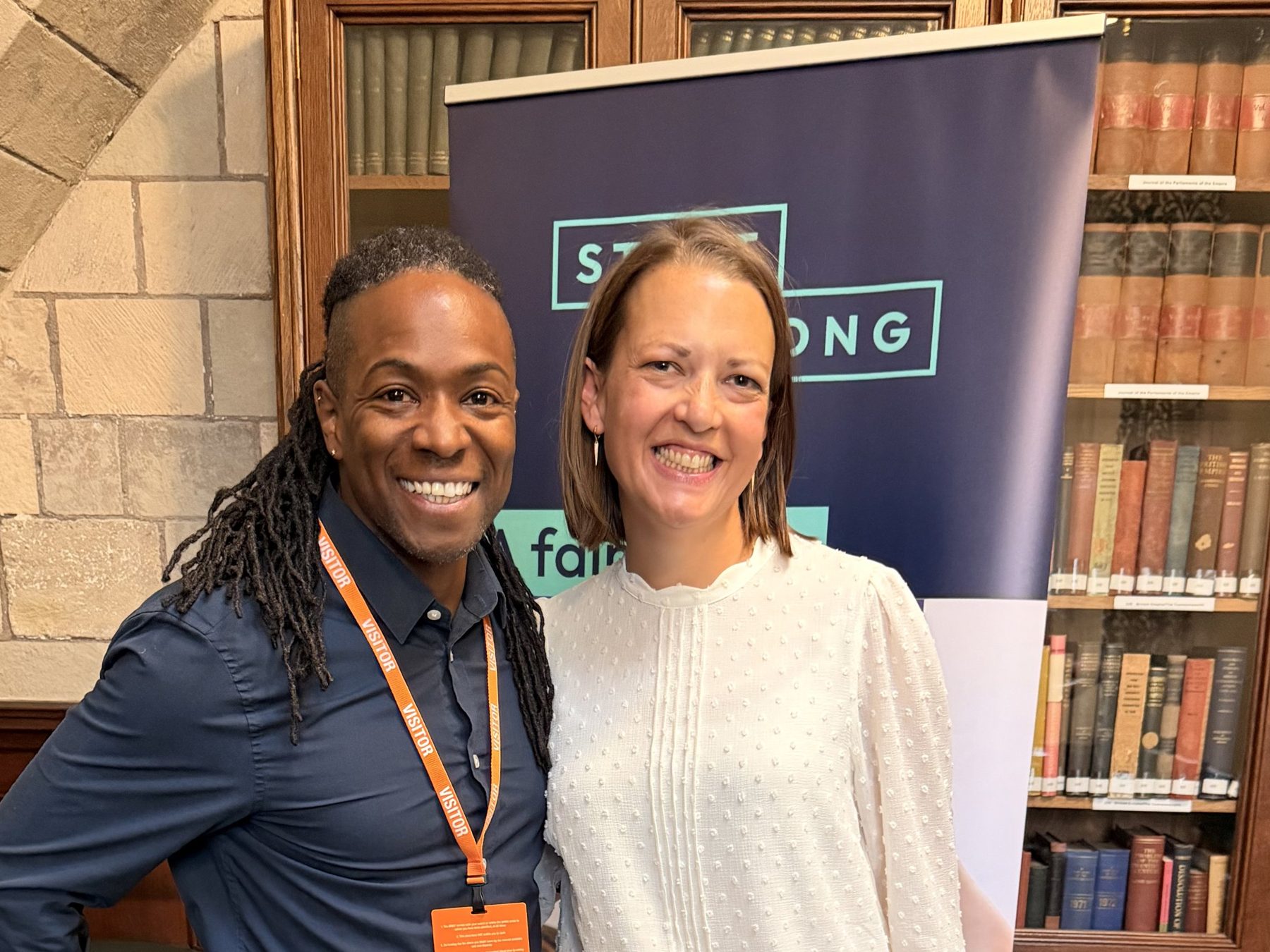

On 15 June 2026, I was standing in the press briefing room at Downing Street when the Prime Minister announced that the UK will ban social media for under-16s.
Afterwards, I sat in a separate briefing with the Department for Science, Innovation and Technology, where the team broke down what it actually means in practice. So this isn’t about the headlines or the political spin. It’s the proper breakdown, from one parent to another.
Because this affects every family in the UK, and most people still don’t know what it actually means.

Why I was there
Through Dadvengers, I spend a lot of time with parents, and screens come up in almost every conversation. Dads worrying about what their kids are seeing. Parents feeling like they’re fighting a battle against apps designed by some of the cleverest people on the planet to keep children hooked.
So being in the room for this one mattered to me. It was also brilliant to see so many familiar faces there, including campaigners like Smartphone Free Childhood, who have been pushing for change for a long time.

What was announced
Here’s the headline. The government will ban social media companies from providing their services to children under 16. The Prime Minister put it simply:
Social media is making our children unhappy and unsafe.
The UK is following a similar model to Australia, which became the first country to bring in an under-16s ban in December 2025. But the government says the UK will go further, with extra protections that reach beyond social media apps.
Which apps are covered?
The ban is aimed at platforms built around social interaction, where users post content and algorithms decide what you see. That includes the big names:
TikTok
Instagram
Snapchat
YouTube
Facebook
X
Messaging services such as WhatsApp and Signal are not included, so your kids will still be able to message family and friends.
It goes further than social media
This was the bit many parents hadn’t heard about. Alongside the ban, the government announced plans to:
Stop under-16s accessing harmful features on other online services, including gaming and livestreaming platforms, such as being contacted by strangers
Introduce age limits for AI companion chatbots for under-18s
Look at measures for under-18s such as overnight curfews and breaks from endless scrolling
When does the ban start?
The ban is expected to come into force in spring 2027. Before then, the regulator Ofcom has been tasked with working out the most effective ways to check ages, because a ban is only as good as the checks that back it up.
Why now?
The government ran a national consultation called Growing Up in the Online World, which received around 116,000 responses. Nine in ten parents backed a social media ban for under-16s. Perhaps more surprisingly, around two-thirds of young people agreed that under-16s shouldn’t be allowed on at least some social media platforms.
That last point stuck with me. Our kids know. A lot of them feel the pressure of being online all the time, and many of them want a way out just as much as we want one for them.

What it means for you and your kids right now
Spring 2027 might feel a long way off, but there’s plenty we can do as parents today:
Start the conversation now. Don’t let the ban land as a shock. Talk to your kids about why it’s happening, and listen to how they feel about it.
Don’t wait for the law. If your child is under 16 and not on social media yet, there’s no rush to start.
Check their games. Many gaming platforms let children chat with strangers. Have a look at the settings together.
Lead by example. Kids copy what we do, not what we say. If we’re glued to our phones at dinner, they will be too. I’m saying that as much to myself as anyone!
Fill the gap. Less scrolling means more time for other things. Get outside, play, cook, build, be bored together. Boredom is where the good stuff happens.
A big step, and the start of the conversation
There will be plenty of debate about how this works in practice, how age checks are done and whether some kids will find a way round it. That’s fair, and those questions need answers.
But for me, as a dad, this feels like a line in the sand. For years parents have been told it’s down to us alone to protect our kids online, against companies with far more power and resources than any family. This announcement says that responsibility is shared.
Save this. Share it with every parent you know. Because the more we understand it, the better we can make it work for our kids.
Frequently asked questions
When does the UK social media ban for under-16s start?
The ban was announced on 15 June 2026 and is expected to come into force in spring 2027.
Which apps are included in the social media ban?
Social media platforms such as TikTok, Instagram, Snapchat, YouTube, Facebook and X are covered.
Is WhatsApp included in the social media ban?
No. Messaging services such as WhatsApp and Signal are not included in the ban.
How will ages be checked?
Ofcom, the UK’s media regulator, has been tasked with identifying the most effective age verification methods.
Does the ban cover gaming?
Gaming platforms aren’t banned, but the government plans to stop under-16s accessing harmful features on them, such as contact from strangers.